- Deutsch
- English
- Nederlands
- Español
- Français
- Texts were edited with AI


Exams/Certifications
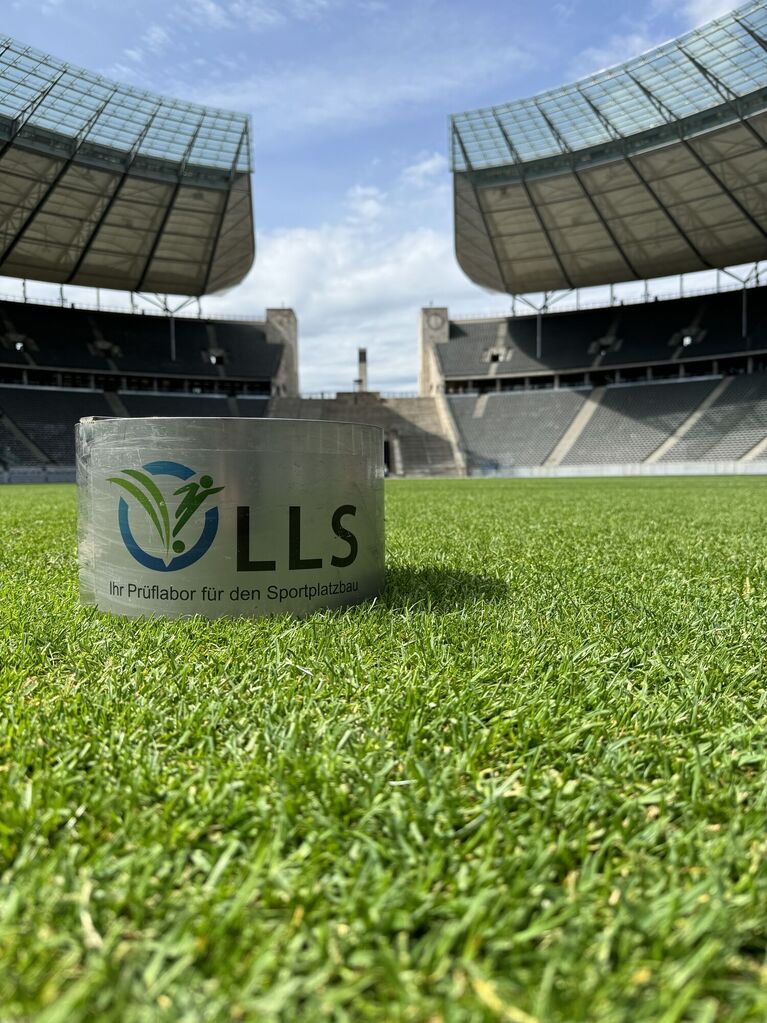
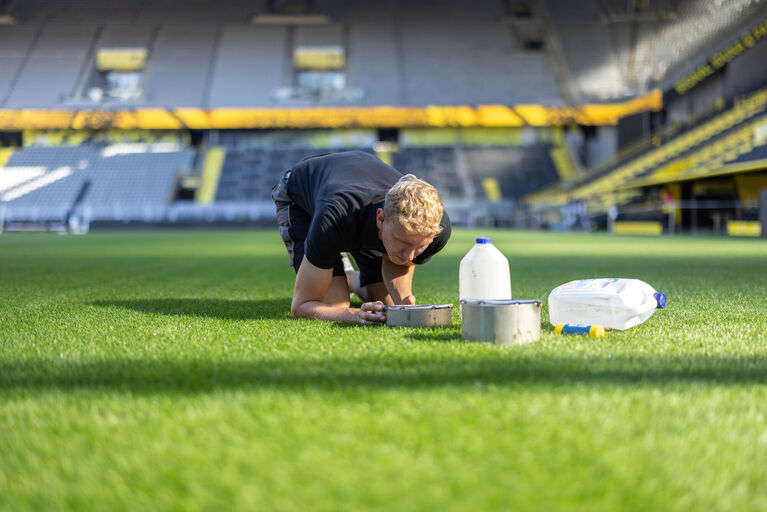
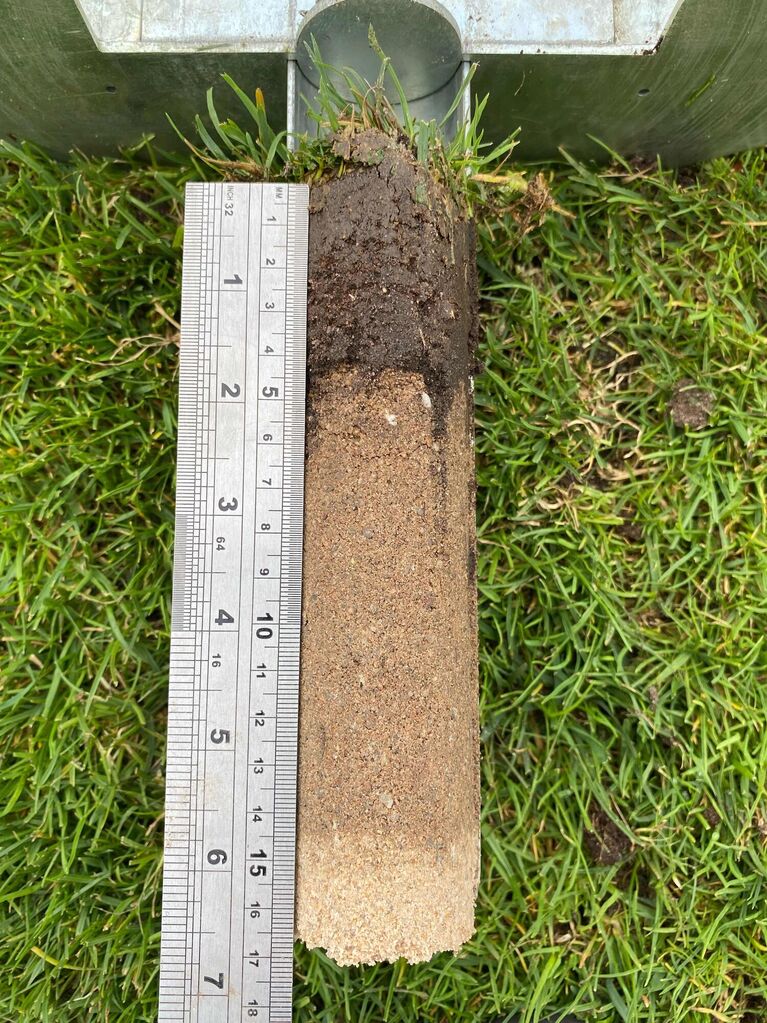
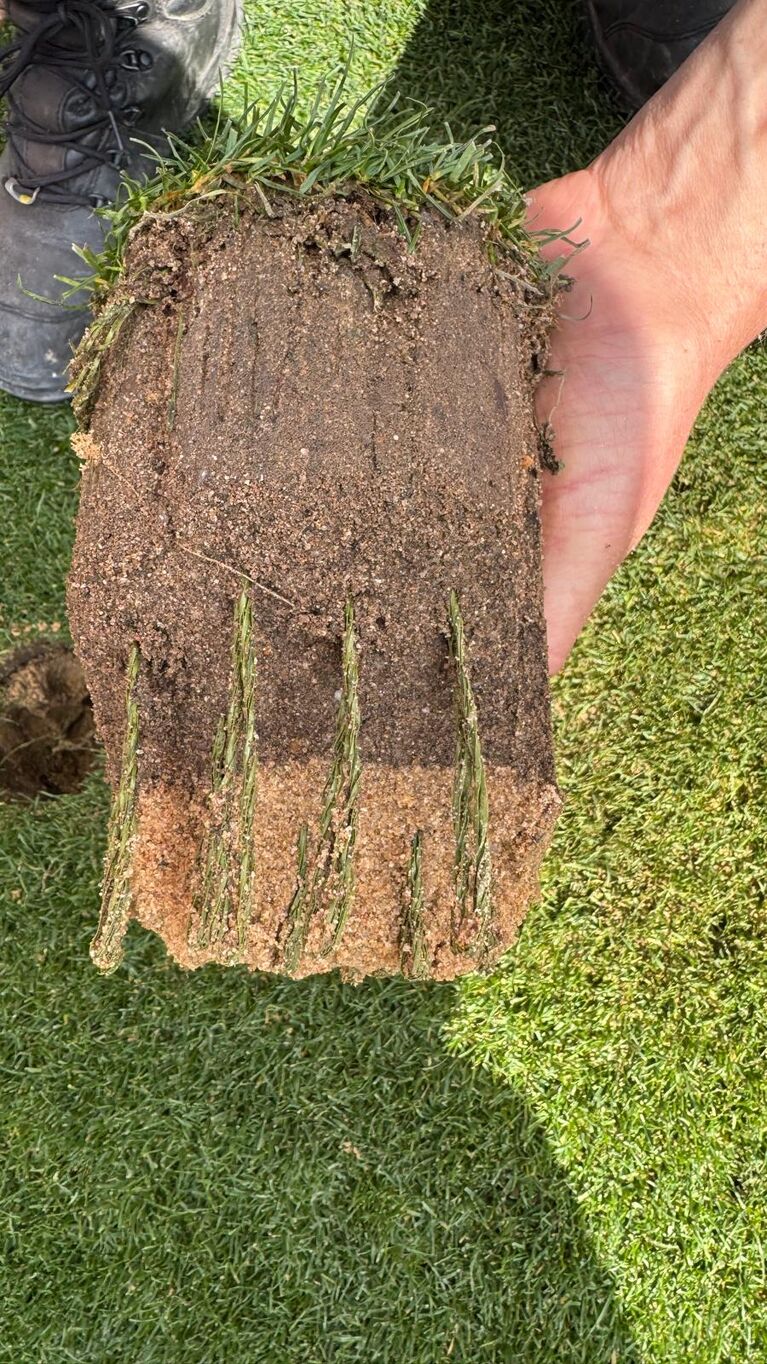
Inspection and Evaluation of Turf Playing Fields
Field quality is measurable - we make it visible.
As a FIFA-accredited testing laboratory, we examine and evaluate natural grass playing fields in accordance with national and international testing standards. Our measurements provide objective and reproducible data on the actual condition and performance of a playing surface.
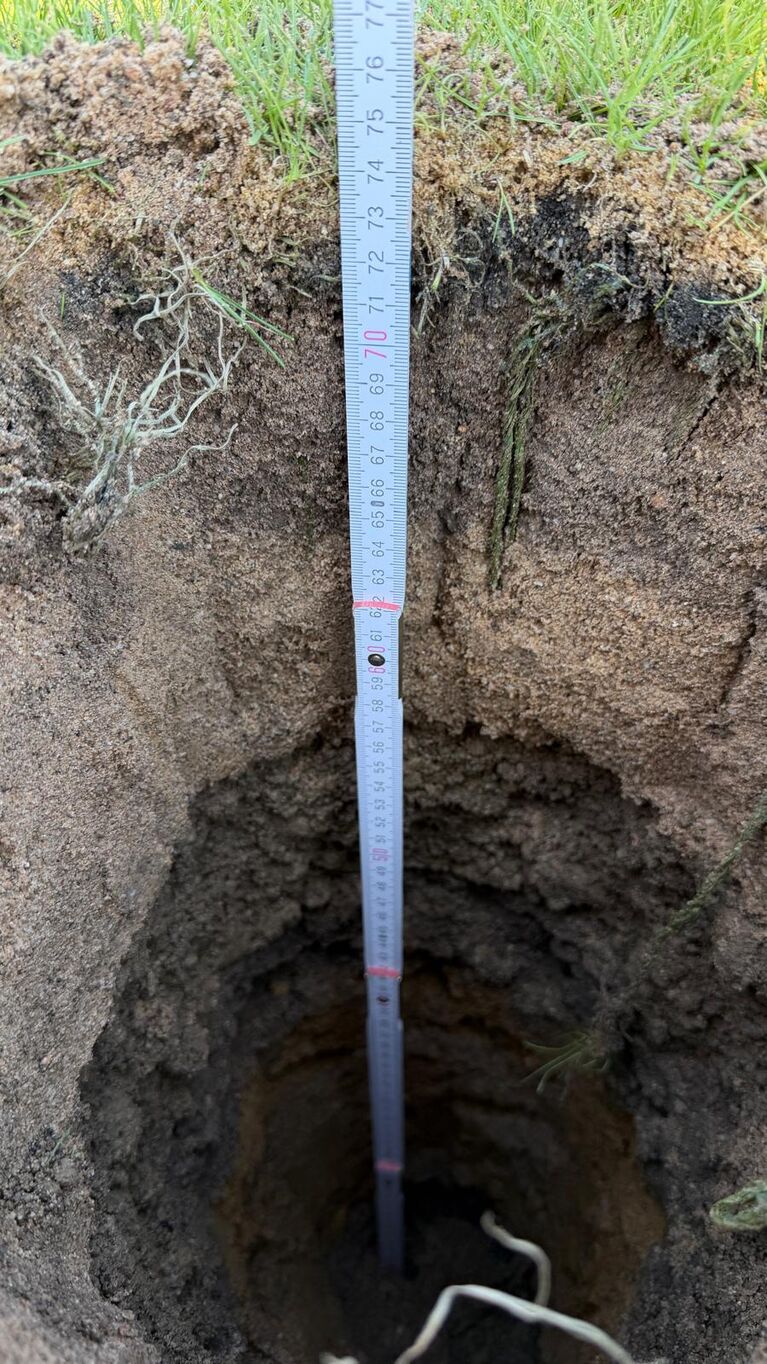
In doing so, we consider not only individual measurement values but the entire system - including the turf surface, subgrade, construction, and the playing and protective properties of the field.
Objective Testing Instead of Subjective Assessment
A natural grass playing field can look outstanding yet still exhibit functional weaknesses. Conversely, a field that looks less than ideal does not necessarily have poor playing characteristics.
That is why we rely on standardized measurement methods and objective testing criteria.
Depending on the task at hand, we examine, among other things:
Playing Characteristics
How does the ball behave on the playing surface? The interaction between the ball and the surface is an essential component of the functional evaluation.
Protective properties
The mechanical properties of the surface influence the interaction between players and the field and are therefore a key component of the quality assessment.
Turf-related properties
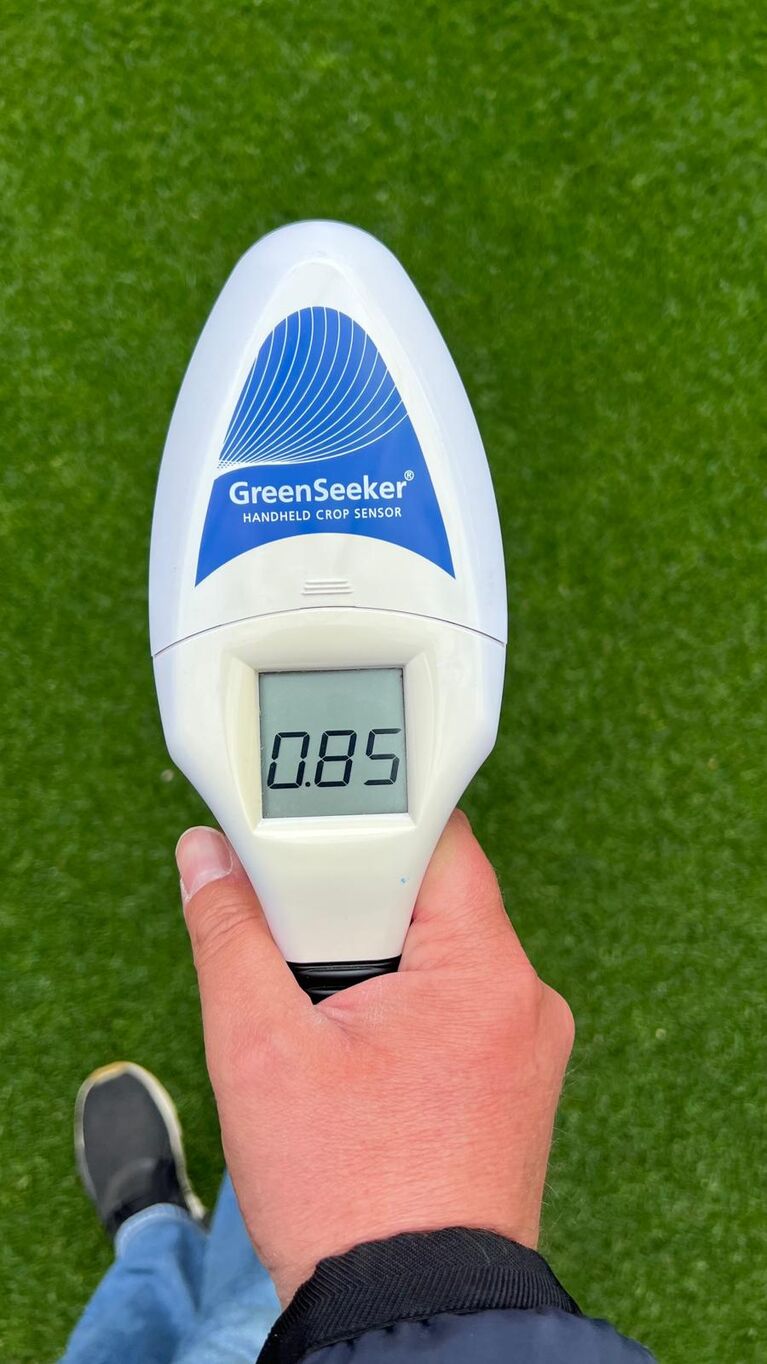
: The turf sward, root zone, and subgrade are assessed for their condition and functionality.
Flatness, stability, and hardness
: The surface properties are measured using technical methods, enabling an objective assessment of the playing field’s condition.
FIFA Quality Program for Natural Playing Surfaces
FIFA NPS – Objectively Assessing
the Quality of Natural Turf Playing Fields
The FIFA Quality Program for Natural Playing Surfaces (NPS) establishes a globally standardized procedure for testing and evaluating natural playing surfaces.
The goal is to assess the quality of natural grass fields using standardized and reproducible criteria. This provides clubs and competition organizers with an objective basis for comparing different playing surfaces and tracking their development.
What is examined during a FIFA NPS inspection?
The FIFA inspection process combines technical and agronomic assessments to produce an overall evaluation of the playing field.
As part of the assessment, the hardness, stability, and levelness of the surface are examined, among other factors. This is supplemented by tests of the interaction between the ball and the playing surface, as well as agronomic analyses. Only the combination of these various parameters enables a comprehensive assessment of the condition and expected performance of the playing field.
Which turf systems can be tested according to FIFA NPS?
Natural
Turf: Traditional natural turf systems made from natural materials, including sand.
Reinforced turf sub-bases
Natural turf systems with synthetic elements within the root zone.
Stitched-in systems
Natural turf surfaces with synthetic fibers embedded vertically.
Hybrid turf systems (mats)
: Systems with a synthetic support structure in which the natural turf grows.
FIFA NPS Validation - More Than Just a Snapshot
A natural grass field is constantly changing.
Weather, precipitation, use, maintenance, regeneration, and vegetation development all influence its properties. The quality of a natural grass playing field is therefore not a permanently fixed value.
For this reason, the FIFA Quality Program does not provide for a traditional, permanent certification of natural playing surfaces.
Instead, FIFA recommends continuous validation based on a defined testing protocol.
The focus is not on a one-time certificate, but on the consistently verifiable quality of the playing field.
Testing by a FIFA-accredited testing institute
The complete FIFA NPS testing protocol is carried out by specialized FIFA-accredited testing institutes. FIFA defines these as laboratories that are officially accredited to conduct tests in accordance with FIFA testing protocols.
Labor Lehmacher | Schneider (LLS), as a FIFA-accredited testing laboratory, conducts the corresponding tests and evaluations of natural grass playing fields.
This provides clubs, municipalities, stadium operators, and groundskeeping teams with an independent and transparent assessment of their playing surfaces.
From the FIFA NPS Test to Continuous Monitoring
A single test shows the condition of the playing field at the time of measurement. The results become even more meaningful when tests are repeated regularly and compared with one another.
This makes it possible, for example, to track how playing surface quality evolves over the course of a season, to identify the effects of intensive use or weather conditions, and to determine whether maintenance, regeneration, or renovation measures are actually achieving the desired results.
This transforms individual measurements into data-driven playing field management.
The FIFA system also follows this approach: In addition to the comprehensive test report provided by accredited testing institutes, there is a streamlined procedure for greenkeeping teams that allows them to regularly monitor selected parameters.
Measure → Evaluate → Optimize → Monitor
→ 01 Measure
Objective recording of relevant playing field characteristics
→ 02 Evaluate
Classification and analysis of measurement results, as well as the formulation of recommendations
→ 03 Optimize
Targeted maintenance, regeneration, or restoration measures
→ 04 Monitor
Repeat measurements and long-term monitoring
Inspection and consulting from a single source
Our commitment doesn’t end with an inspection report. We combine the results of our measurements with our experience in sports field construction, turf subbases, care, maintenance, and renovation.
This provides you not only with information on how your playing field is currently performing, but also a solid foundation for addressing the question:
What can we do to make it better?
From the initial assessment through the FIFA NPS inspection and corresponding recommendations to long-term monitoring, we support you in ensuring the sustainable quality of your natural-grass playing field.
Would you like to know how good your natural grass playing field really is?
We assess the current condition of your playing surface objectively and transparently - from an individual condition assessment in accordance with DIN 18035-4 or the DFL standard to an inspection under the FIFA Quality Program for Natural Playing Surfaces.
or